
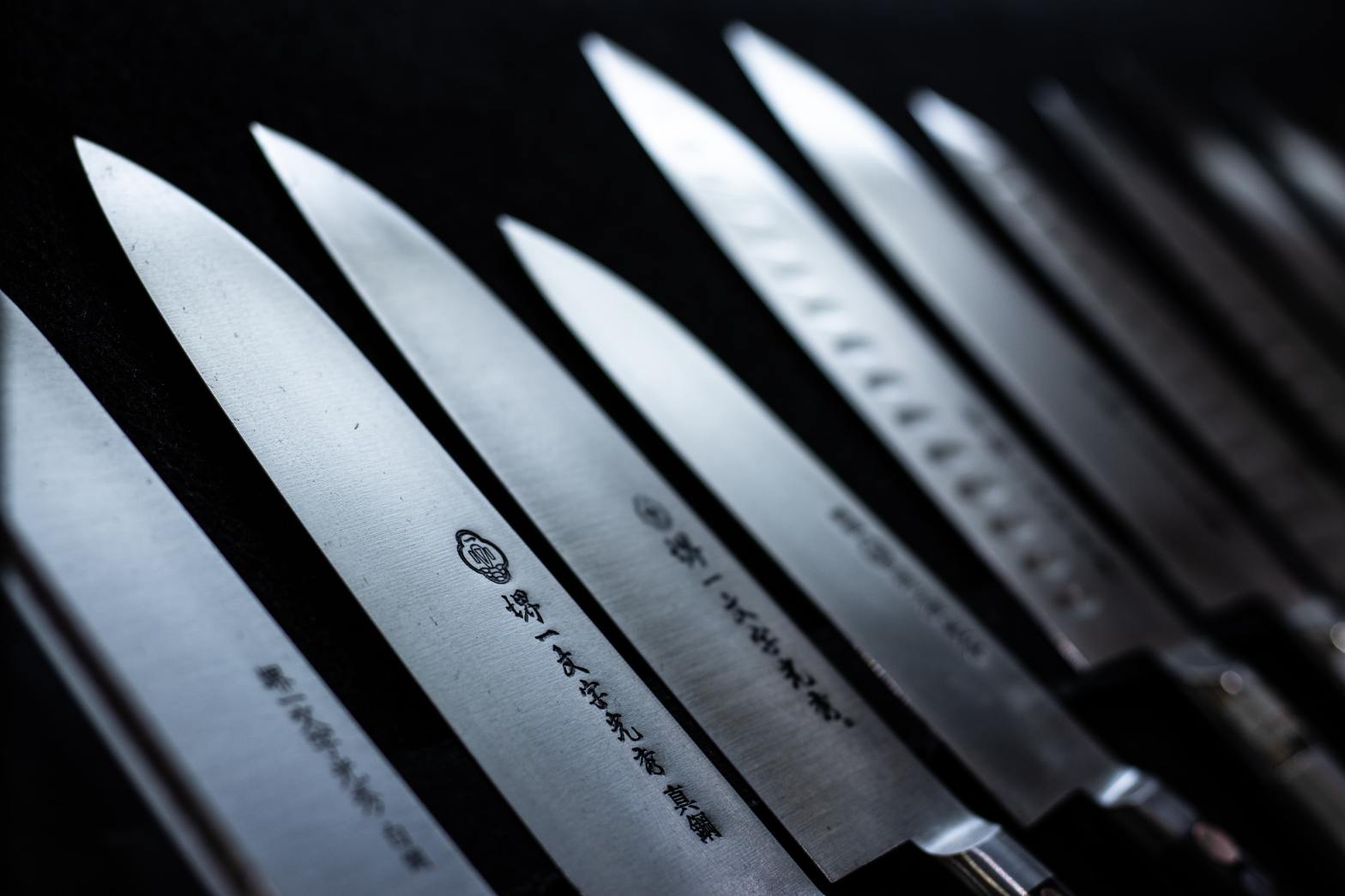
Every cook should know how to care for your knives. There are a lot of things you need to have to cook well, and a high-quality tool is one of them. Like anything, having the best kitchenware makes doing the job that much better. Knives are the single most important tool in any kitchen and are used to create every dish. From mincing garlic to cutting meat, a high-quality knife will add so much comfort and support while cooking.
So, you’ve probably invested in a set of quality kitchen knives. The last thing you want is to ruin those knives, right? Despite you using it rarely, your knives are still easily damaged and dulled. How you look after your knives will determine their lifespan and quality. You might not realize it, but you may be damaging your knives without even knowing it.
Some little change in your kitchen habits can go a long way to keeping them in good shape. Here are some tips and tricks to maintain your knives and make them stay great for a long time.
Wash Them Right after Use
Knives are used for cutting almost every ingredient needed in the dish your cooking. You become busy bustling around cooking that you neglect to care for your knives. Yes, most quality knives are less prone to rust because they are made of stainless steel or high-carbon steel. However, if they are left dirty for too long, the bits of ingredients, acid, and water left on your knife will eventually destroy the blade, leaving dark spots and rust on it. Washing the knives as soon as you finish using them is the best care you can give this tool. Throwing them in the dishwasher is probably a big mistake. Not only is it hazardous, but it also does much damage to the blade as it can clash against other kitchenware and even the rack itself. Hand-washing is the best way to care for this tool. Be sure to dry it right away with a cloth rather than letting it air dry as it can also damage it.
Hone and Sharpen Them Regularly
No matter how you care for your knives, they will eventually get dull. Keep great knives great by keeping them sharp and in top shape. Sharpening a knife is a bit more complicated and dangerous for the inexperienced that you can have it done by a professional.On the other hand, honing is something any home cook can do themselves. Hone your knife before every use to keep that sharp edge and keep any damage to a minimum.
Invest in a honing tool like LeBeau’s Honer USA-Made now. You can buy it for cheap and use it for a myriad of knives and other objects that need sharpening. Moreover, it is easy and safe to use even for the most inexperienced cook.
Store Them Properly
Often, knives are kept in the cutlery drawer along with the spatulas and silverware. This is wrong. Stowing an exposed knife blade in a drawer is both bad for the blade and you, as you run the risk of cutting yourself.
Most knife enthusiasts swear by the magnetic strip intact to the wall. It minimizes the clashing among other kitchenware. It also keeps them out where you can reach them immediately. However, if you want to keep it from plain view and protect the blades from dirt, place an in-drawer organizer to keep them intact. Another storing solution is to keep knives in plastic or wood knife guard. This allows you to still store them in the drawer but in a far safer method.
Use a Cutting Board at All Times
A high-quality knife is made of strong material, but it is still prone to damages. Remember that a sharp blade has a thin edge, and if it gets in contact with things that are not designed for cutting, it can significantly damage the blade. You might have seen aesthetic glass cutting boards being sold in stores; those boards are bad for your knives. The cutting board you need should not be harder than the knife itself, meaning no glass cutting boards or granite or marble countertops. Apart from the danger that they might shatter, the harsh surface will notch the blade and wear away the sharp edge. A better choice for a cutting board is made of wood. The wooden board allows the blade to sink between the fibers keeping it from jarring.
Use Knives Appropriately
There are a multitude of types of knives you can find in stores. You probably have three or more knives in your kitchen as well. You see, the form of the knives is not for aesthetic purposes; they are designed that way for a specific use. Each knife has its specific purpose in mind. However, this does not mean that you need to buy every single knife out there. Some knives are great multitaskers, and some are best used to fulfill minor cutting. Hence, you have to consider the knives you use that suit the cutting needs, and for sure, your knives will last longer.
 simonemckay.travel.blog